Companies that use agents get more done with fewer employees. The agents take over the manual, predictable tasks, and keep working while people do something else. This could be invoices that are posted automatically, new employees who are onboarded without manual follow-up, or leads that are followed up based on activity in the CRM system. Tasks that take time, but that don't really require human judgment.
We build the agents and the infrastructure around them, from idea to operation.
The technology landscape changes fast. That's why we don't lock you into a single platform. We help you choose and build agents using whatever delivers the most value for you.
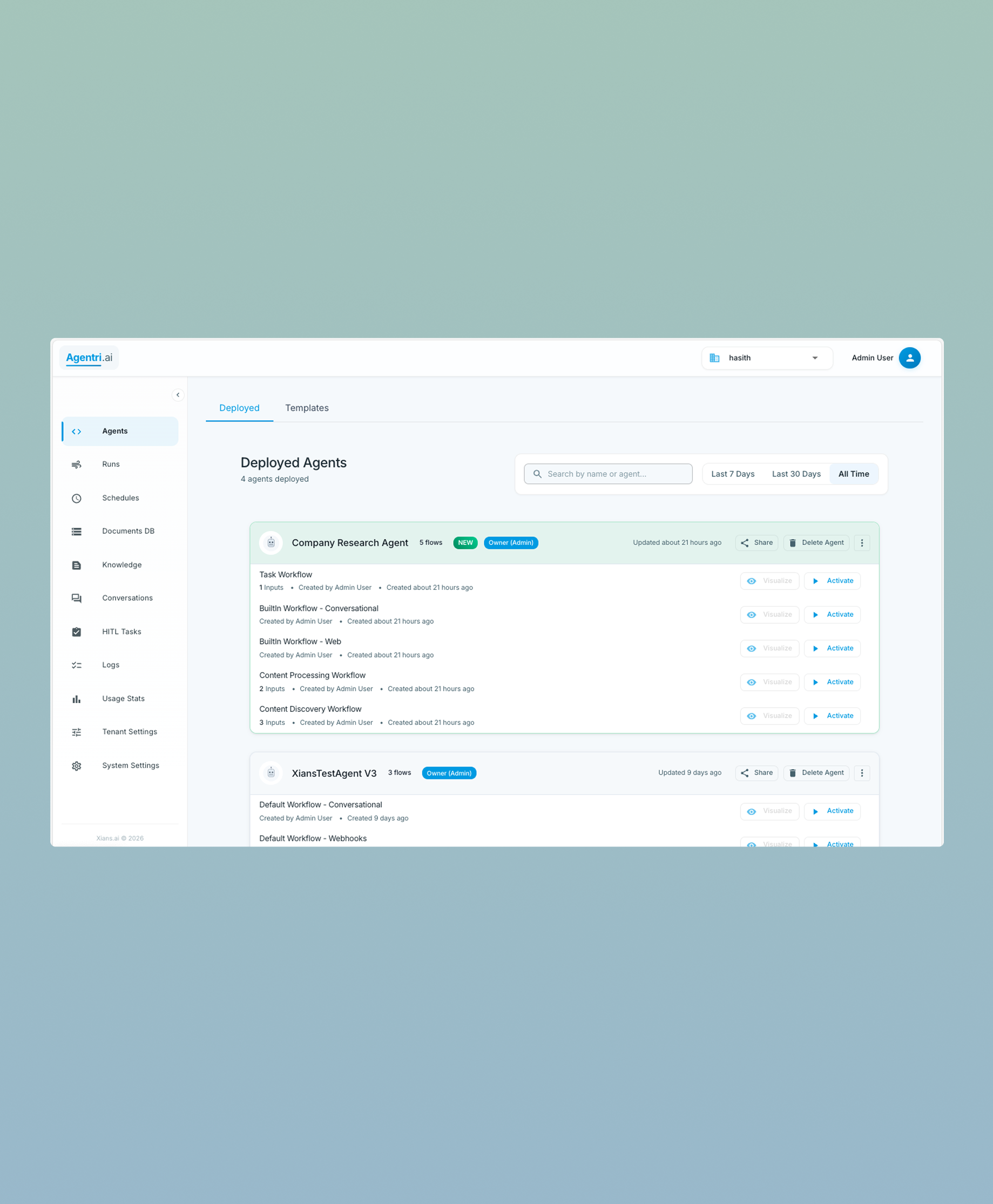
With our control platform Xians, you get full visibility and control over your agents from day one. And it makes it easy to add more!
We are adaptable and let users interact with agents in the way that works best for them.
We don't tie you into a single platform. The technology landscape moves fast, and what's the right choice today may not be in two years. We immerse ourselves in your situation and choose a framework based on what makes the most sense and delivers the most value for you; Microsoft Agentic Framework, LangGraph, N8N, Google ADK, or something else entirely.


When you have multiple agents working in parallel across different parts of the business, and they need to perform reliably in production over time, you need visibility.
There has to be error handling that logs failures and resumes processes from where they stopped, without losing the work already done. Data from different customers must be kept separate, even when agents share underlying infrastructure. Actions that can't be undone — like sending a contract, transferring money, or deleting data — require human approval before the agent moves on. And there needs to be ongoing visibility into what the agents are doing, what decisions they're making, and what it costs to run them.
Xians is the control platform we use to manage exactly that.

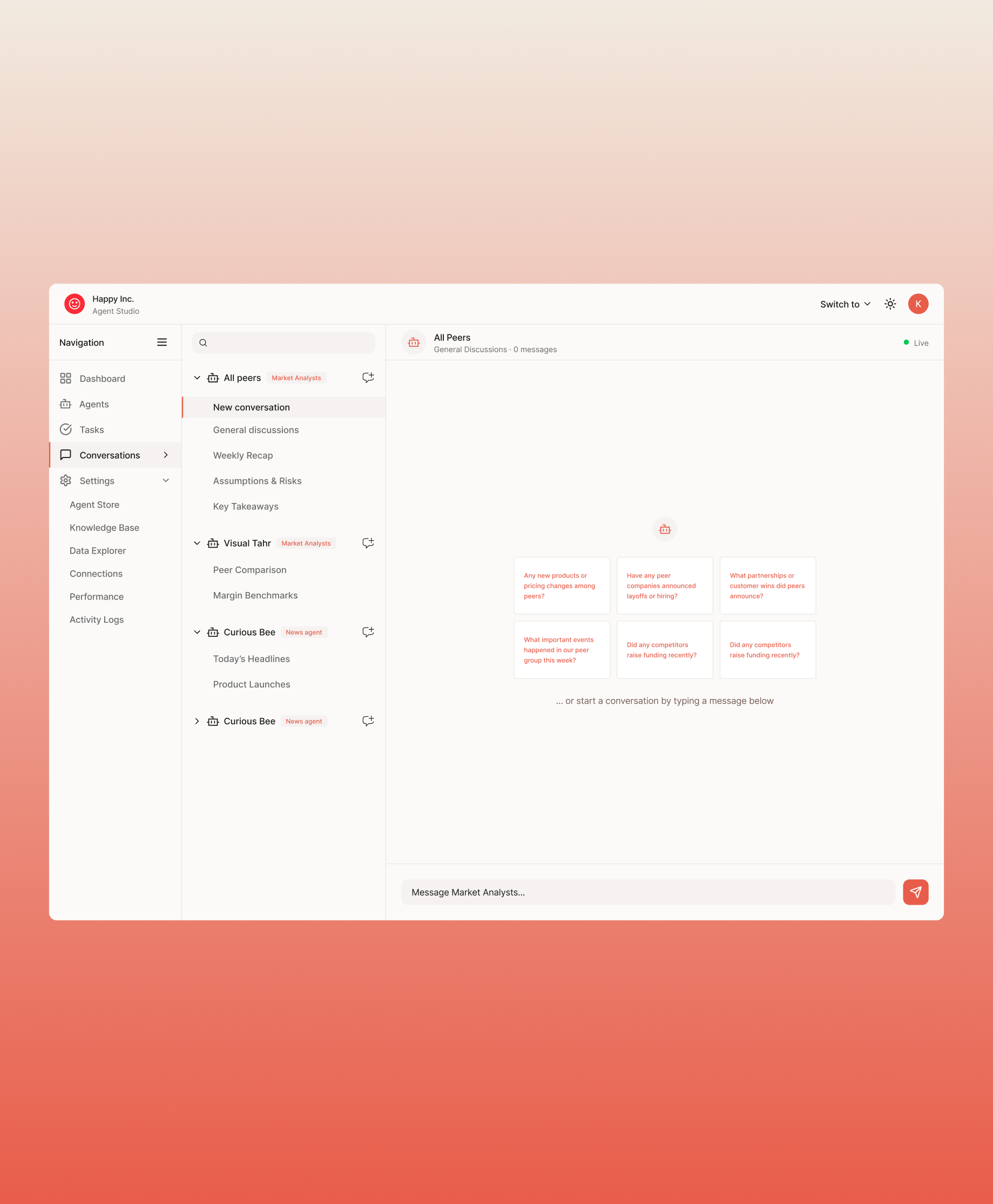
Agents do their work in the background, but need human input along the way. An invoicing agent that has processed an invoice waits for approval before posting it. An onboarding agent that has created a user account waits for someone to confirm the access level before sending the welcome email. These are the moments where employees need a place to meet the agents.
We adapt the interface to what your team already uses. Some prefer Slack, others Microsoft Copilot, or a chat embedded directly in the systems they use every day. We also build custom interfaces from scratch where that makes the most sense.
Agent Studio
Our own portal for this is Agent Studio. Here, employees have one place to deal with all the agents, they can chat with them, keep track of what's happening, and approve tasks that are waiting. No separate systems to check, no tasks left sitting because no one knew they were waiting.
Slack integration
Many teams live in Slack, so it's natural for agents to meet them there. We set up agents so they can send notifications, ask questions, and receive approvals directly in the channels your team already uses.
Microsoft Copilot
For organisations using Microsoft 365, agents can be integrated directly into the Copilot experience. Employees can interact with agents from Teams, Outlook, or other Microsoft surfaces they already work in, and approvals can be handled without leaving the workflow.
Custom design with chat-based interface
Sometimes there isn't one existing system that works for everyone. In those cases, we build an interface tailored to your exact needs, with a chat-based experience that makes it easy for employees to communicate with agents, follow progress, and make decisions.
Embedded in existing systems
Agents can also be built directly into systems you already have, whether that's a case management system, an internal portal, or something else. That means employees don't need to switch context: approvals and interaction with agents happen where the work is already taking place.


Many companies have data scattered across legacy systems and messy databases. For agents to do their job, they need access to structured, reliable data, and that's rarely the starting point we encounter.
We quickly set up a modern database and extract what matters most, so you can get started with agents without having to clean everything up yourself. We use Supabase with PostgreSQL as the foundation, and add pgvector to give agents semantic search, the ability to find relevant information based on meaning and context, not just exact keywords. This makes agents significantly more precise and useful in practice.


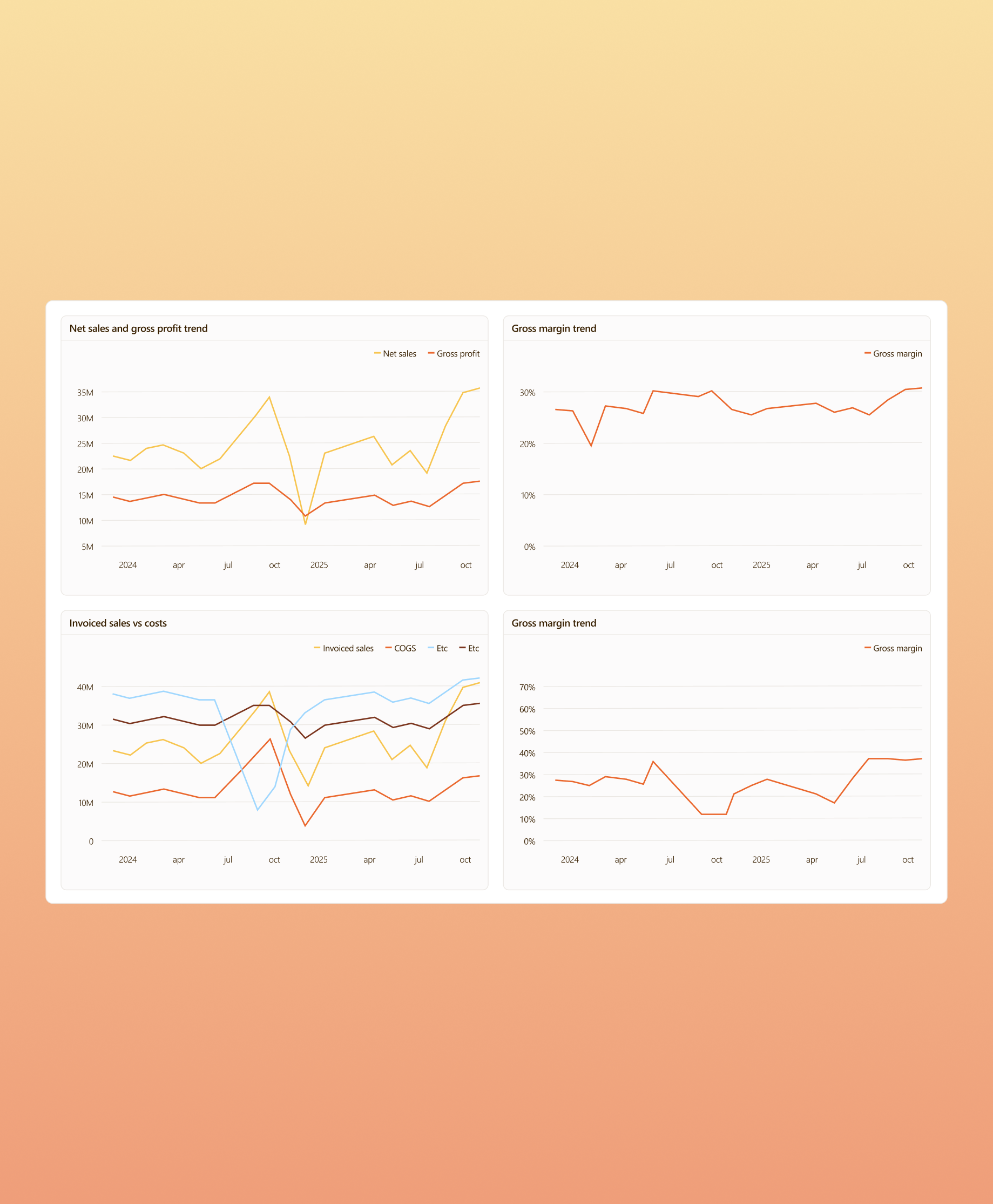
Data platforms bring together data from many different systems and structure it in a way that makes it easy to use, for both people and agents.
For agents to do their job, they need access to the right data in the right format. Many organisations have data scattered across legacy systems, spreadsheets, and databases with inconsistent formatting, making it difficult to extract and use the information effectively. Whether you already have a data platform in place or need to build one from scratch, we make sure agents get the access they need. We integrate with existing systems and data sources, and set up the connections that are missing.


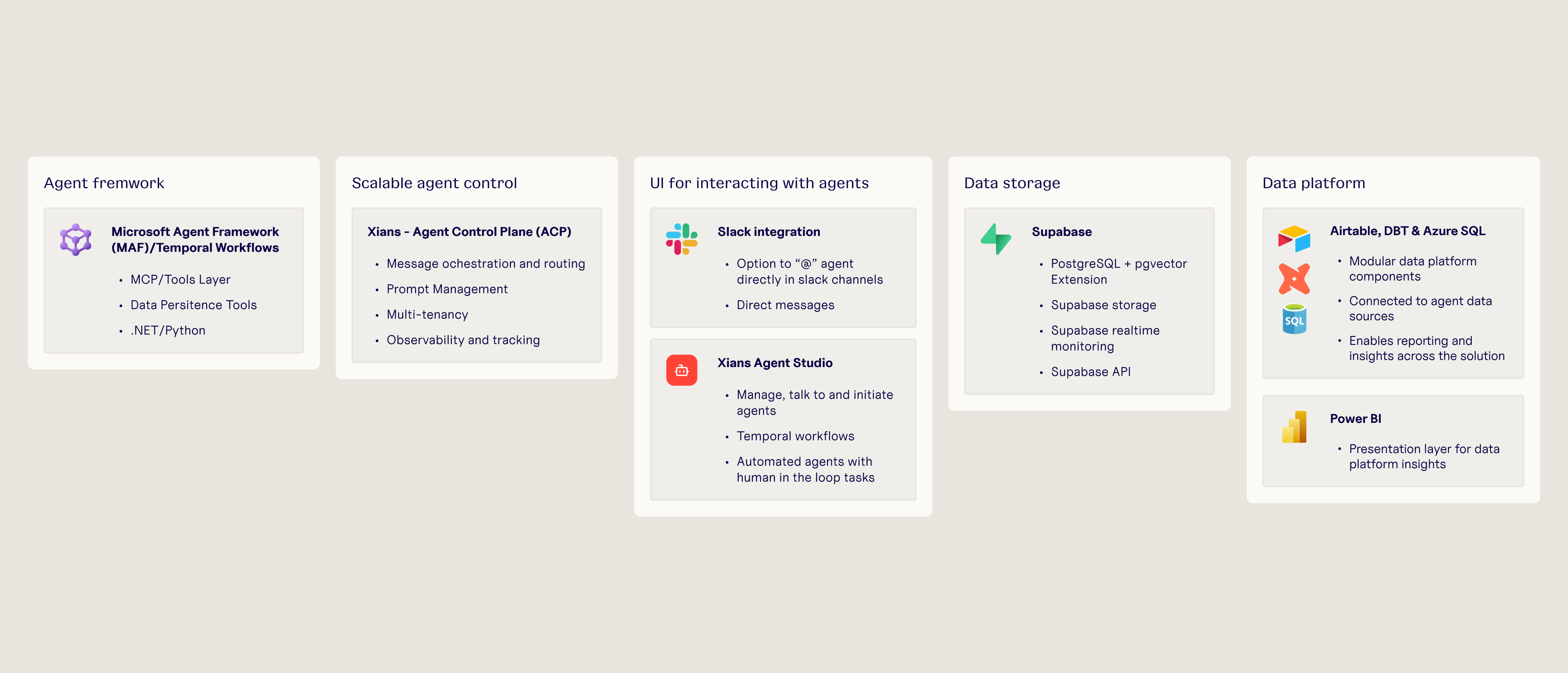
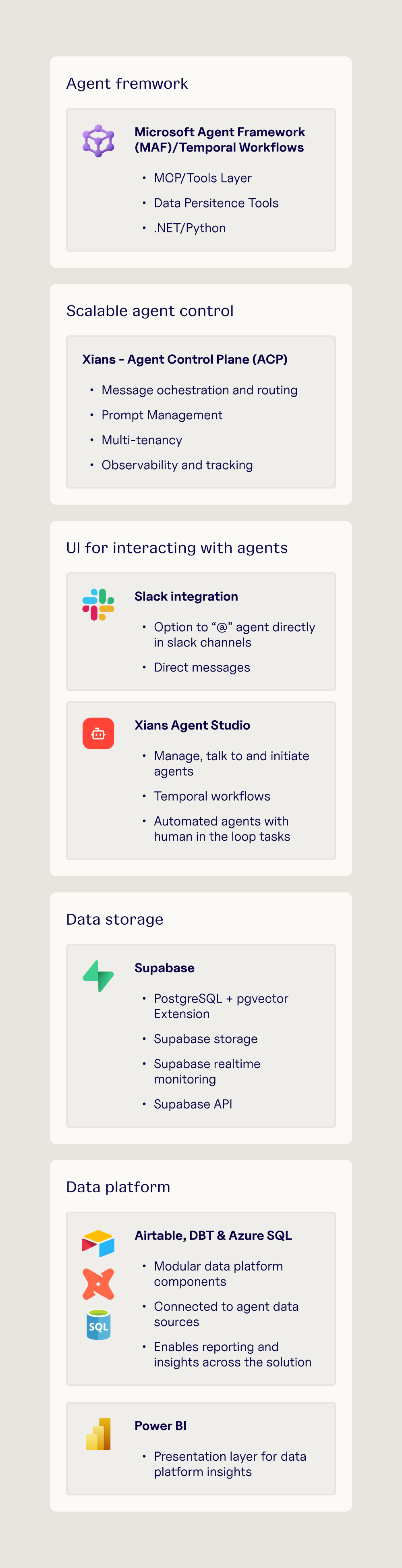
A production-ready agent system is more than a single model or tool, it's a set of components that have to work together. Here we show a concrete example of an architecture we have implemented, with the five layers we believe every robust agent solution should have in place.